


Daewoo All Models Touch Up Paint (15 OEM Colors)
Search for your All Models's color
-

Aqua Green Metallic
DaewooCOLOR CODE03/
WA321M - Aqua Green Metallic -

Galaxy White
DaewooCOLOR CODE11U -
Galaxy White -
Natural
DaewooCOLOR CODE12U -
Natural -

Azurite Blue Metallic
DaewooCOLOR CODE21U -
Azurite Blue Metallic -

Regatta Blue Pearl
DaewooCOLOR CODE24U -
Regatta Blue Pearl -

Deep Bluish Green Metallic
DaewooCOLOR CODE42U -
Deep Bluish Green Metallic -

Light Green
DaewooCOLOR CODE43U -
Light Green -

Khaki Beige Metallic
DaewooCOLOR CODE62U -
Khaki Beige Metallic -

Golden Beige Metallic
DaewooCOLOR CODE64L -
Golden Beige Metallic -
Spinel Red Pearl
DaewooCOLOR CODE74U -
Spinel Red Pearl -

Pewter Metallic
DaewooCOLOR CODE81U -
Pewter Metallic -

Grey (PPG 34927)
DaewooCOLOR CODE82L -
Grey (PPG 34927) -

Granada Black Pearl
DaewooCOLOR CODE83L -
Granada Black Pearl -

Poly Silver Metallic
DaewooCOLOR CODE92U -
Poly Silver Metallic -

Olive Silver Metallic
DaewooCOLOR CODE93U -
Olive Silver Metallic
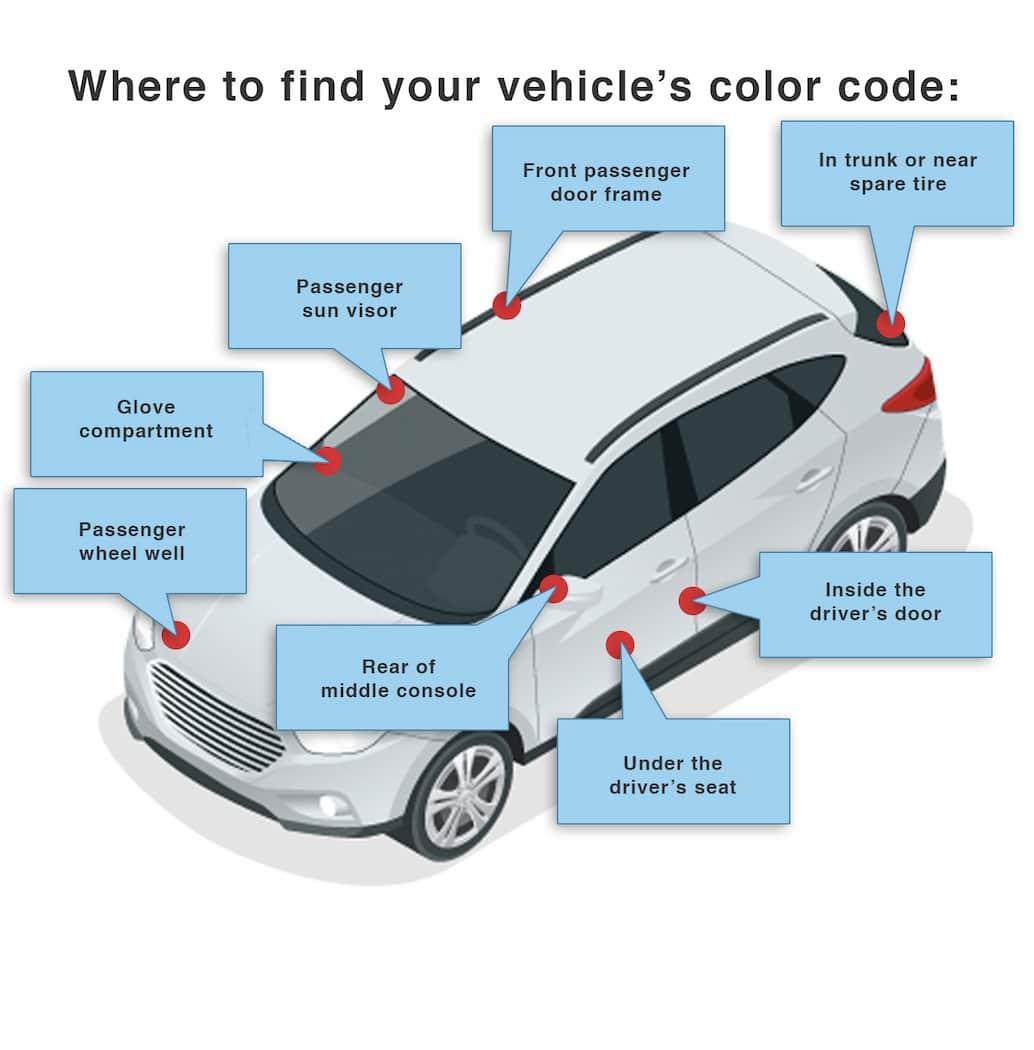
Find Your Daewoo All Models Paint Code
Daewoo paint color code is obtained by contacting Daewoo, which can determine the color code. If a color code is unavailable, the alternate reference is the PPG or Dupont (Axalta) paint formula number, used in place of the code.
Daewoo All Models Paint Info
Daewoo All Models Colors by Year
Let us know the year your All Models was manufactured. We'll eliminate colors that won't match your vehicle.